Kazakhstan, Georgia, or Uzbekistan: A Simple Comparison Guide
Have you searched for “affordable MBBS abroad” or “fully funded scholarship”? Then you have seen these three countries. The same consultants push all three. Many use the same copied claims on different websites.
This guide checks those claims against real, official sources. It answers two questions you need before you sign anything: will my degree be recognized when I come home, and is the funding I was told about actually available to me?
The most important fact in this guide
Before you think about cost, visa, or scholarship — check one thing first. Is the university on Pakistan's PMDC Green List? This is the official list from the Pakistan Medical and Dental Council. It shows which foreign medical universities are recognized.
If a university is not on this list, you cannot sit the National Licensing Exam (NLE) in Pakistan. This is true even if the teaching is good. Your degree will not be valid for practice in Pakistan.
We checked the real PMDC list ourselves. We did not use a consultant's summary. Here is what we found:
| Country | Recognized medical universities |
|---|---|
| Georgia | 18 |
| Kazakhstan | 9 |
| Uzbekistan | 7 |
These numbers are exact. We removed duplicate entries (some universities were listed twice under slightly different names). Source: the official PMDC Green List at pmdc.pk/Documents/Others/Listz.pdf, checked on 17 June 2026.
Here is something worth noting. Uzbekistan is marketed to Pakistani families more than any other country on this list. You will see it in consultant ads everywhere. But Uzbekistan has the fewest recognized universities of the three. Georgia gets far less marketing — but has the most recognized universities by far. This gap between marketing and reality is exactly why this guide exists.
The right question to ask any consultant: don't just ask “is this university recognized?” Ask them to show you the exact line on the PMDC list with the university's full legal name. If they cannot show you, that is your answer.
Country 1: Kazakhstan
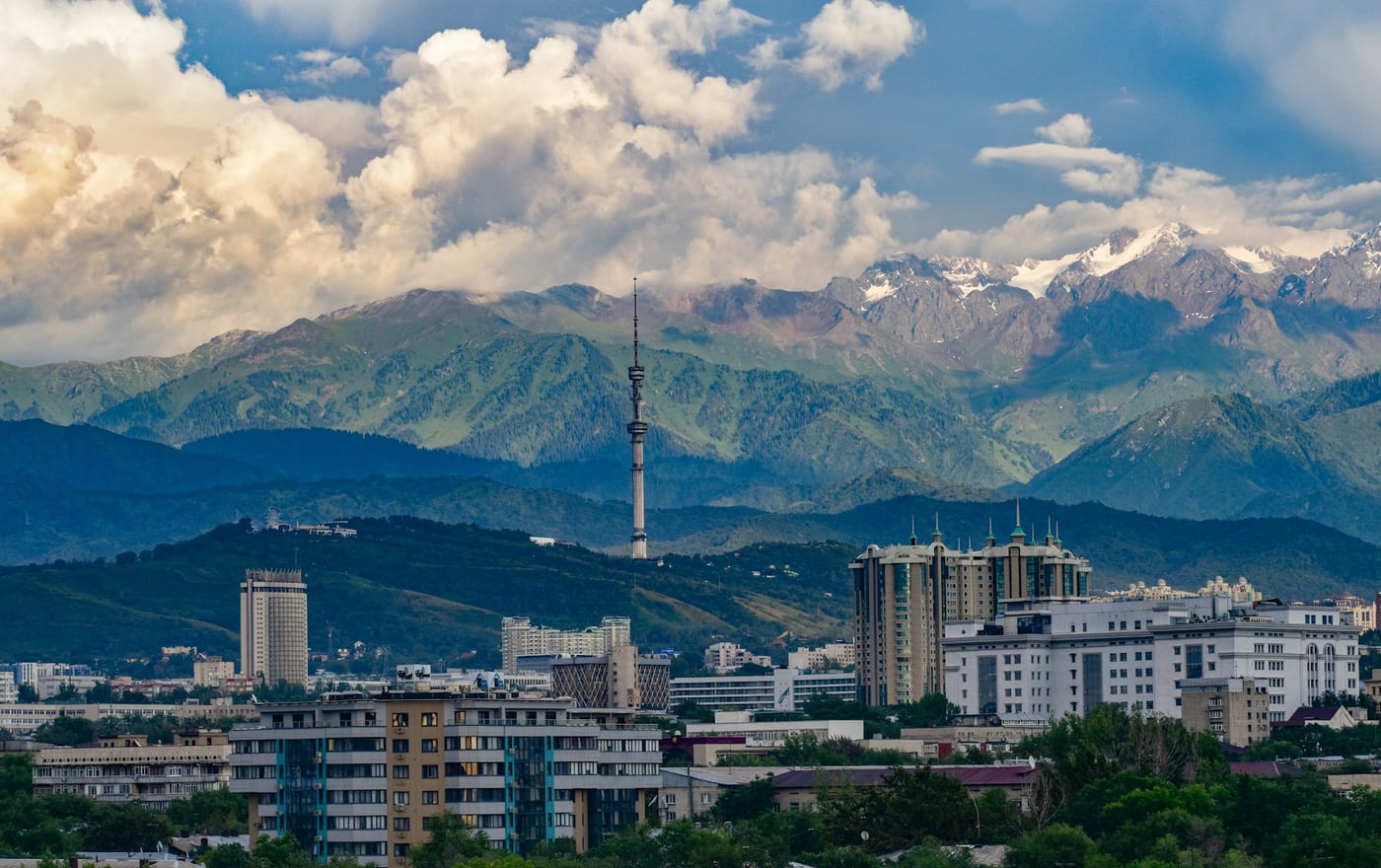
Which universities are recognized
Nine universities are on the PMDC list. These include Nazarbayev University School of Medicine, Karaganda Medical University, Semey Medical University, and West Kazakhstan Marat Ospanov Medical University.
A real example of false information
One Pakistani-facing consultant website claims that “Kazakh National Medical University, Astana Medical University, and Semey Medical University” are all recognized. We checked this against the real PMDC list.
- Semey Medical University — yes, this one matches the list.
- Astana Medical University — this name does not appear on the list at all.
- Kazakh National Medical University — this name does not match exactly either. The closest name on the list is “JSC National/Kazakh State Medical University.” This may be the same university with a different name, or it may not be. We cannot be sure.
We checked again on 17 June 2026. This claim is still live on cc-consultings.com.
This is exactly why you should check every university name yourself. Do not trust a consultant's word alone.
Visa
The student visa category is C9. Pakistani students must apply in person at the Kazakhstan Embassy in Islamabad. There is no e-visa option for Pakistani passport holders.
How long does it take? Sources do not agree. One Kazakhstani university says as little as 5 working days. Other guides say 10–15 days, or even 20–30 days. Plan for the longer wait. Once you have your invitation letter (called a Vyzov), confirm the exact time with the Kazakhstan Embassy in Islamabad yourself.
On working part-time — read this carefully.Some consultants say Pakistani students can work part-time in Kazakhstan. The real picture is less simple. Kazakhstan's own government website says foreign nationals need a job offer and signed contract first, before they can get permission to work. One visa guide says C9 visa holders cannot work in Kazakhstan at all. Do not plan your budget around part-time income unless your specific university confirms this for you, in writing.
Scholarships — read this carefully
Bolashak is not for you
You will see “Bolashak Scholarship” mentioned often when researching Kazakhstan. This program pays Kazakhstani citizens to study abroad. In exchange, they must return to Kazakhstan and work there for five years. It has nothing to do with foreign students coming to study in Kazakhstan. If a consultant offers you Bolashak, that is a sign they have not done their research properly.
There is a real, separate scholarship for foreign students. It is run by Kazakhstan's Ministry of Science and Higher Education together with the “Center for International Programs,” and it has existed since 2019. In the 2025–26 cycle, it gave out 550 places (10 PhD, 50 master's, 490 bachelor's) out of 13,723 applicants from 57 countries. That is about a 4% acceptance rate — very competitive.
One thing to know: the universities that got the most places (Al-Farabi Kazakh National University, Astana IT University, Eurasian National University, KBTU) are not medical schools. This scholarship is real and competitive, but it does not seem to be a strong path into a recognized MBBS program.
Cost
Tuition is often quoted at PKR 650,000–1,500,000 per year. This figure comes from consultant marketing, not from any single university's official fee page. Get a written quote before you trust any number.
Living costs are the lowest of the three countries. In Almaty, monthly costs are usually USD 500–900. This includes hostel accommodation (around $40–55/month) or a private flat (up to $350/month), plus food (around $90–130/month if you cook at home).
Country 2: Georgia
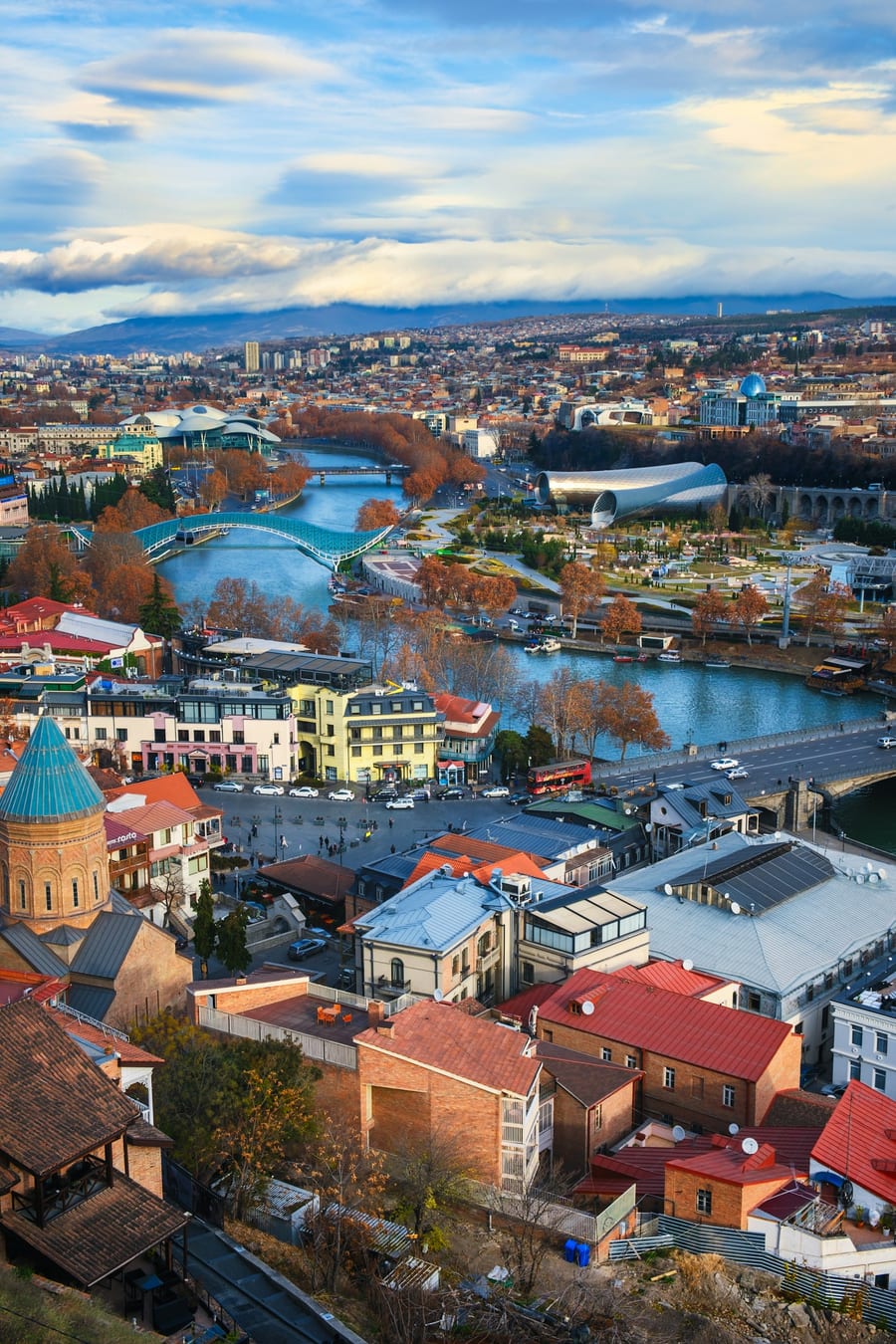
Which universities are recognized
Georgia has the longest list of the three countries — 18 recognized universities. These include David Tvildiani Medical University, Tbilisi State Medical University, New Vision University, and several others. If MBBS in this region is your real plan, Georgia gives you the most recognized choices.
Visa — where most students get confused
The visa is category D3 (Immigration Visa). Here is the part many students get wrong: the D3 visa is only valid for 90 days. It is not your long-term permission to stay in Georgia. It is only the first step.
Within 45 days of arriving in Georgia, you must apply separately for a residence permit. You do this at a Public Service Hall (located in Tbilisi, Batumi, or Kutaisi). This residence permit — not the D3 visa — is what allows you to stay for the length of your studies. It is renewed every year.
The right question to ask: “After my D3 visa, what exactly do I need to do in my first 45 days in Georgia? Who is responsible for helping me do this — the university, or me alone?” If a consultant or university has not clearly explained this residence permit step, they have not given you the full picture.
Work rights:Georgia is the most relaxed of the three countries when it comes to working part-time. Students with a valid residence permit can work up to 20 hours per week, and some sources suggest there may be no fixed hour limit once you have the permit. Georgia does not issue a separate “work permit” document — the residence permit itself gives you the right to work. One more reason to get that permit sorted quickly after you arrive.
Scholarships — the clearest false claim in this guide
The Gilman Scholarship claim is false
Many Pakistani-facing websites describe the “Benjamin A. Gilman Scholarship” as a fully funded Georgian government scholarship for Pakistani students. This is false. The Gilman Scholarship is run by the United States government. It is only for American students who want to study abroad. It has no connection to Georgia at all, and Pakistani students cannot apply for it under any circumstances.
This is the clearest example of false information in this entire guide. If a consultant mentions this scholarship, ask them directly where they got this information.
There is a real Georgian government scholarship (run by Georgia's International Education Center). But like Bolashak in Kazakhstan, it works the opposite way to what you might expect: it pays Georgian citizens to study abroad, and they must return to work in Georgia for 3 years afterward. It is not available to foreign students who want to study in Georgia.
What does genuinely exist: small, merit-based discounts from individual universities. Even sources that promote studying in Georgia are honest that this is limited. Sources describe scholarships at Tbilisi State Medical University as “primarily for Georgian students,” with international students having only “limited options.” In short: do not expect a real scholarship. If a consultant promises you one at a specific Georgian university, ask them to name the exact program and show you where the university has published it.
Cost
Tuition is usually quoted between USD 4,000–7,000 per year. A full 6-year MBBS often comes to around $45,000–60,000 in total. But these numbers are not as solid as they look — quotes for the same university (Tbilisi State Medical University) ranged from $3,000 to $8,000 per year, depending on the source. Always confirm the real number yourself before you commit.
Georgia is the most expensive of the three countries day-to-day, though still cheap compared to Western countries. Budget USD 7,000–8,000 per year for living costs, with rent in Tbilisi around $250–350 per month.
Country 3: Uzbekistan
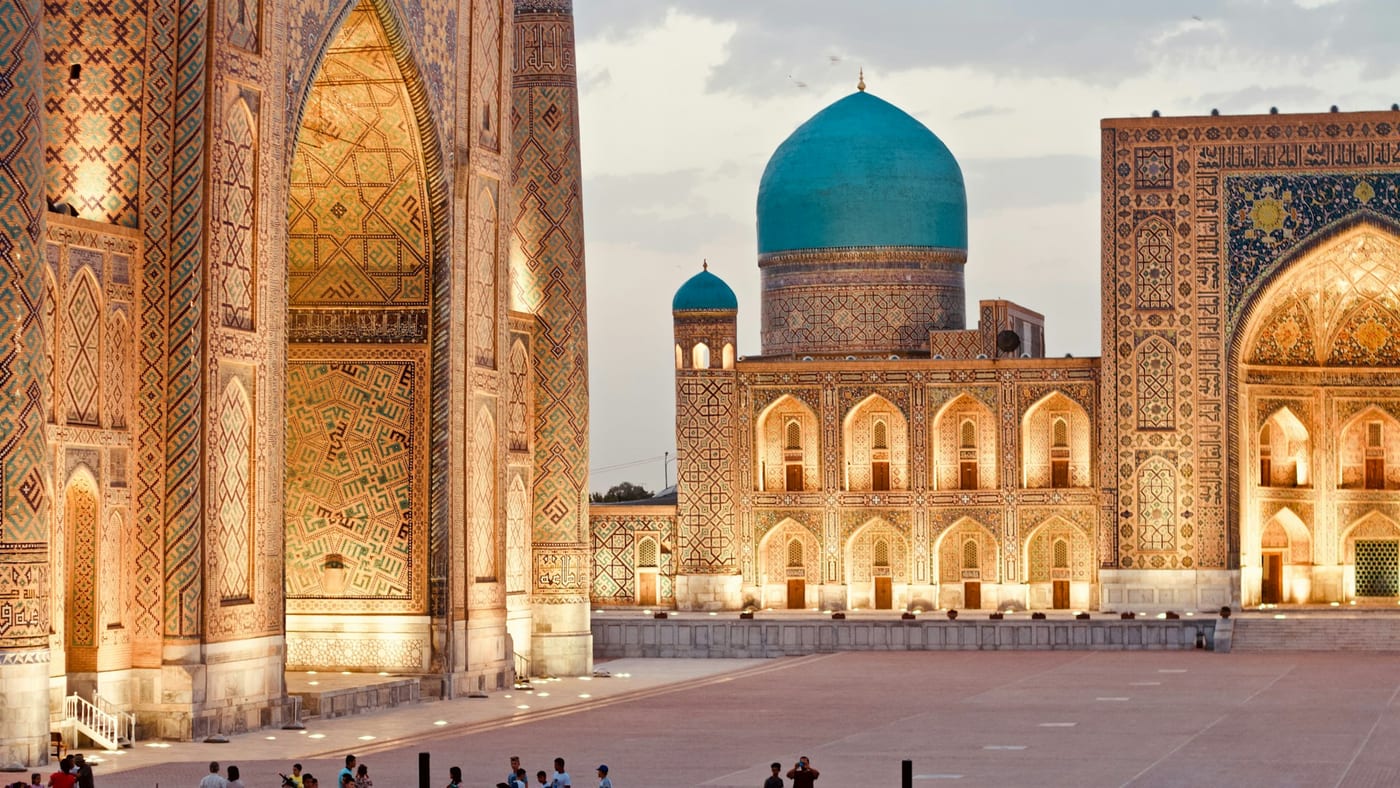
Which universities are recognized
Uzbekistan has the shortest list — exactly 7 recognized universities once duplicates are removed. (The official PDF shows 11 lines, but 4 of these are the same universities listed twice under different spellings or branch names.) The 7 universities are: Andizhan/Andijan State Medical Institute, Bukhara State Medical Institute, Nukus Branch of Tashkent Pediatric Medical Institute, Samarkand State Medical Institute, Second Tashkent State Medical Institute, Tashkent Medical Academy (main campus), and Tashkent Medical Academy (Urgench Branch).
This is where the gap between marketing and reality is widest. Uzbekistan gets more “affordable MBBS abroad” advertising aimed at Pakistani families than any other country. A lot of this content claims that “most universities in Uzbekistan are PMDC recognized,” without naming any specific universities. Based on the real list, this is simply not true. Only seven named universities are recognized — not “most” universities in the country.
Visa
Uzbekistan's own embassy describes a “Student Visa” — valid for one year, renewable for the length of your course, issued at the request of your university.
One detail worth knowing: Uzbekistan requires an exit visawhen you leave the country. It also limits how much foreign currency you can take out — you cannot leave with more money than you brought in. This is unusual compared to Georgia or Kazakhstan. Ask your university's international office about this directly before you travel.
Scholarships
Government scholarships are not open to Pakistan
The main government scholarships from the Ministry of Higher Education are only open to Turkish citizens or people from Turkic countries. Pakistan does not qualify. Do not let a consultant tell you otherwise.
There is one real example worth knowing about, even though the deadline has already passed. In March 2026, ICESCO (the Islamic World Educational, Scientific and Cultural Organization) launched a scholarship program with Uzbekistan's Ministry of Higher Education. It offered fully funded scholarships, including three places at Tashkent State Medical University for a Bachelor's degree in General Medicine. The deadline was 15 May 2026 — already closed. We mention it because it shows this kind of opportunity does exist and may come back. As of 17 June 2026, there is no confirmed second round yet, but it costs nothing to check icesco.org occasionally if Uzbekistan MBBS is genuinely your plan.
Cost
This is the one place where our research found numbers that genuinely contradict each other — not just a wide range, but different prices for the exact same university. Tashkent Medical Academy's first-year tuition was quoted anywhere from $3,500 to $8,700 per year, depending on the source. That gap is too large to be a simple rounding difference. It likely comes from different fee categories, different branch campuses, or outdated consultant pages being copied and recycled.
Never accept a verbal quote. Ask for the tuition figure in writing, directly from the university — not from a consultant. Ask exactly which year of study it covers, which campus or branch, and whether hostel and food fees are included.
Work rights: Unclear, and described differently by different sources. Some say students can work part-time, often citing 20 hours per week. But more careful sources say this depends on the university and is not a fixed legal right. Do not plan your budget around part-time income without written confirmation.
Cost of living: Uzbekistan is the cheapest of the three countries day-to-day. Monthly living costs (not including tuition) are usually around USD 220–400 — hostel accommodation around $40–55/month, food around $150–250/month. This is genuinely the lowest cost of the three, even though the tuition numbers themselves are the least reliable.
So which country is right for your family?
There is no single best answer. It depends on what matters most to you.
If having the most recognized university choices matters most
Georgia has by far the most PMDC-recognized options — 18, compared to 9 and 7. The visa process has two steps (D3 visa, then residence permit), but Georgian universities explain this process clearly. Georgia also has the most relaxed rules on part-time work, but the highest day-to-day living costs.
If you want a fully funded scholarship and don't mind which subject you study
Kazakhstan's scholarship for foreign students is real, competitive, and gives out many places each year — though it mostly goes to non-medical subjects. Keep in mind Kazakhstan also has the strictest rules on working part-time. Plan as if part-time income will not be available.
If you were told to choose Uzbekistan because it is “the cheapest”
That part is true — Uzbekistan genuinely has the lowest day-to-day living costs. But get every other claim checked independently: recognition, tuition, scholarships, and work rights. This is the country where we found the most confusing and contradictory information — not because Uzbekistan is necessarily a bad choice, but because the marketing around it is the least reliable of the three.
Questions to ask any consultant about any of these three countries
- 1
Show me the exact line on the PMDC list that matches this university's full legal name.
- 2
Is this scholarship for me to study there — or is it actually for that country's own citizens to study somewhere else?
- 3
What is the real visa category, and what must I do in my first month after arrival — not just to enter the country, but to stay legally?
- 4
Can I get the tuition figure in writing, directly from the university?
- 5
Can I really work part-time on this visa? Can the university confirm this in writing — not just a "yes" from you?
- 6
If this university is not on the PMDC list, what is your plan for me to still practice in Pakistan?
This guide was researched using the official PMDC Green List (pmdc.pk), official embassy, government, and university sources where available, and was checked against several Pakistani-facing consultant websites to find specific points where they disagree. Where sources genuinely disagreed — on visa processing times, tuition figures, or work rights — we have said so directly instead of guessing at one “correct” number. In those cases, get written confirmation from the university or embassy yourself. Source data last checked 17 June 2026.